

Contact us to arrange a free on-site consultation and discuss which option would work best for your home.
Blog
Orangery or Conservatory: Which Is Right for Your Home?
1 September 2026
By Emerald Home Improvements
Both orangeries and conservatories can provide valuable additional living space while bringing more natural light into your home. Although the two terms are sometimes used interchangeably, there are several important differences between them.
Understanding their appearance, construction and intended use can help you choose the most suitable option for your property.
WHAT IS AN ORANGERY?
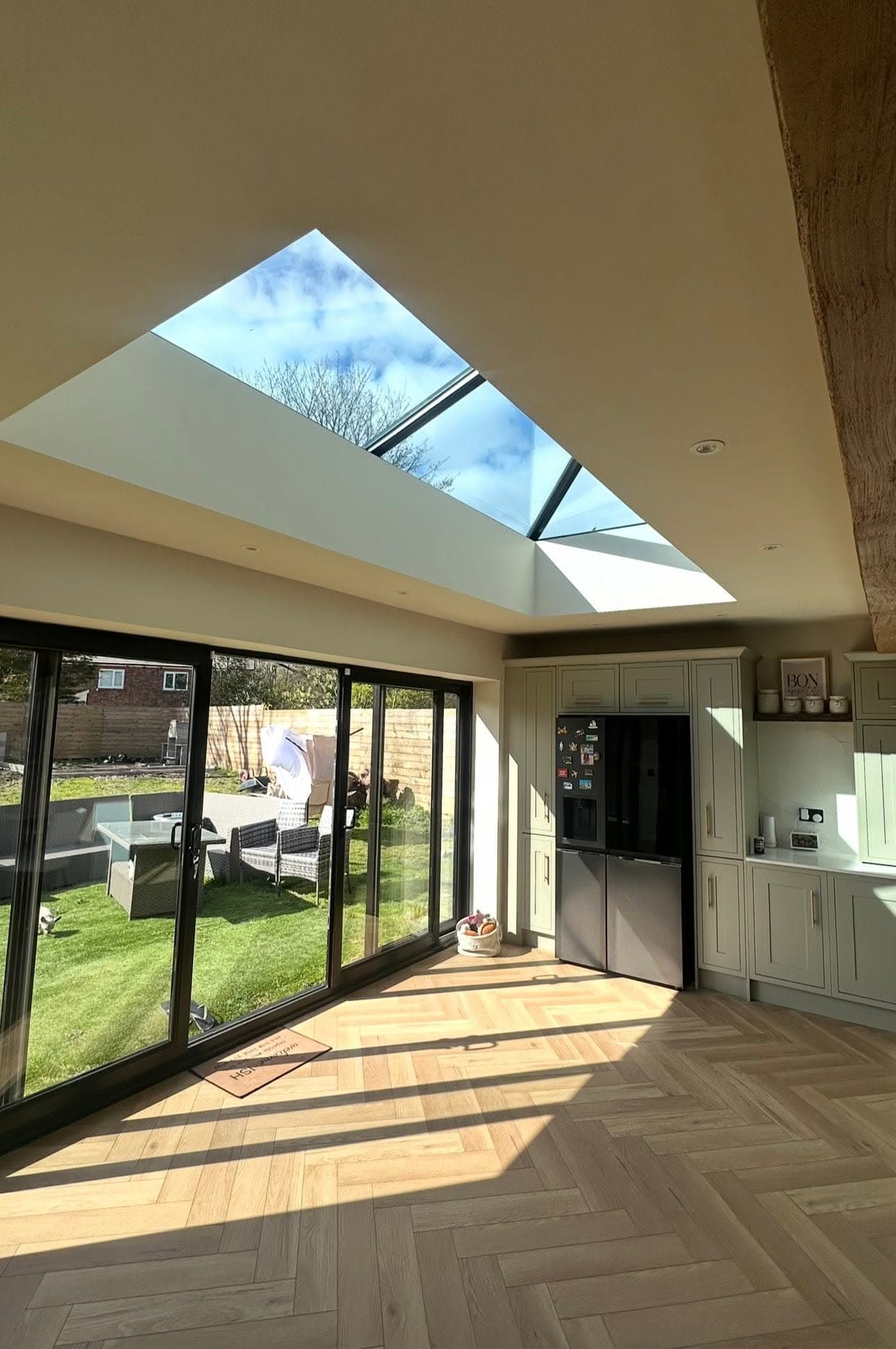
An orangery usually combines brickwork, large windows and a substantial roof structure containing a central roof lantern. Its solid pillars and walls make it feel more like a traditional extension than a fully glazed room.
Because an orangery can be designed to follow the materials and proportions of the existing property, it often blends naturally with the rest of the home. Inside, it can provide a comfortable room for dining, entertaining, working or relaxing.
WHAT IS A CONSERVATORY?
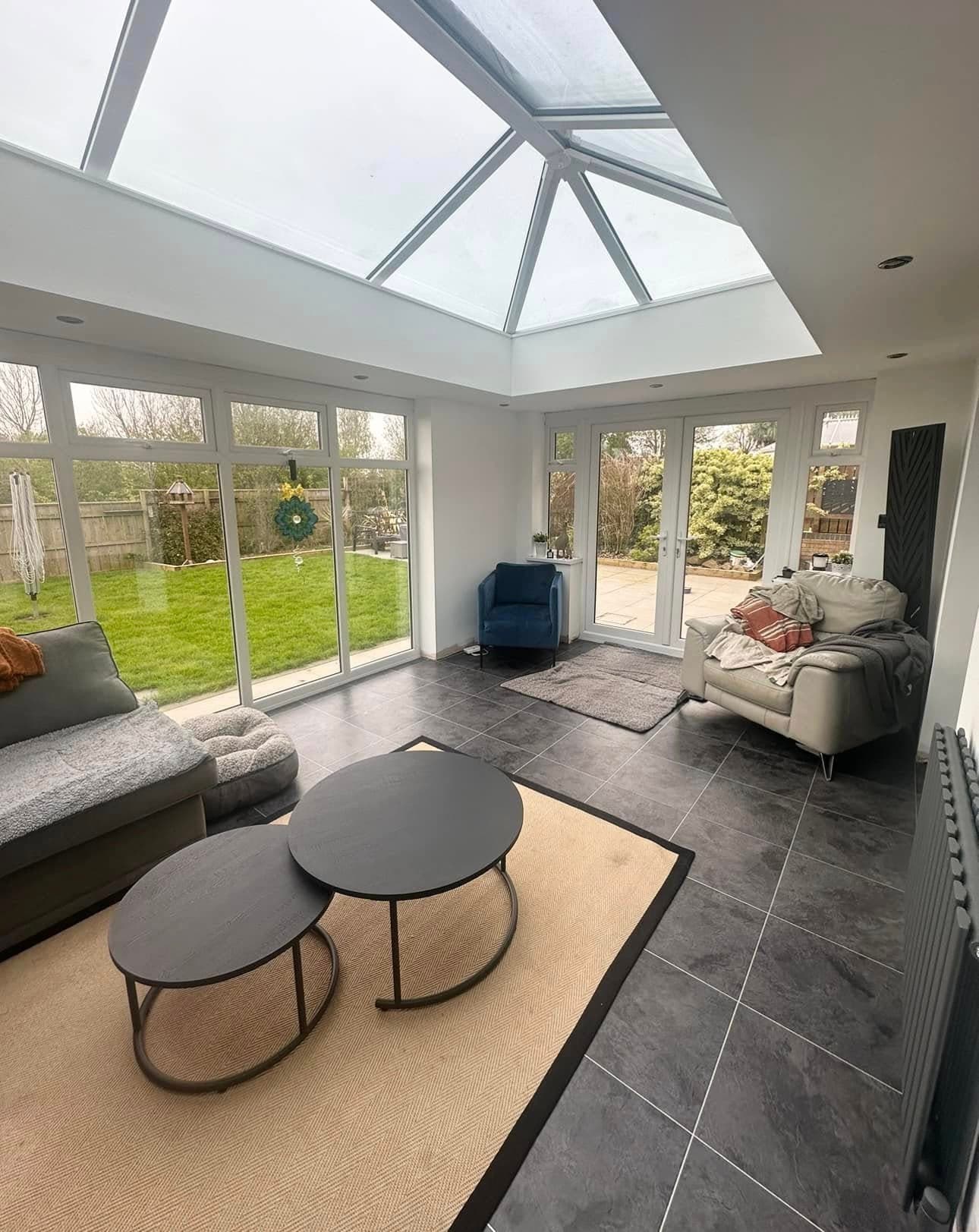
A conservatory typically features a greater proportion of glazing across both its walls and roof. This creates a bright space with extensive views of the garden and a strong connection to the outdoors.
There are several conservatory styles available, from traditional Victorian and Edwardian designs to simple lean-to structures. The most suitable design will depend on the property, the available space and how the finished room will be used.
THE MAIN DIFFERENCES
The most visible difference is the amount of solid construction. An orangery generally has more brickwork and a more substantial roof, whereas a conservatory is predominantly glazed.
This can also affect the atmosphere inside. An orangery tends to feel like another room within the main house, while a conservatory usually feels more like a transition between the home and garden.
The right choice is not simply a matter of appearance. It is important to consider how you intend to use the room, the amount of natural light you want and how the structure will complement your home.
HOW WILL YOU USE THE NEW SPACE?
Think carefully about what the room needs to provide. If you want a dining room, family area or home office that feels closely connected to the rest of the property, an orangery may be the better choice.
If your priority is garden views and plenty of sunlight, a conservatory could provide the bright, open environment you are looking for.
Modern glazing, insulation, ventilation and heating options can improve the comfort of either structure. These details should be considered during the planning stage rather than after construction has begun.
WHICH OPTION WILL SUIT YOUR PROPERTY?
The architectural style of your home can help determine the most appropriate option. The brickwork and solid proportions of an orangery can be designed to complement both traditional and modern properties.
A conservatory can be a particularly effective choice where the aim is to create a lighter structure that makes the most of the available garden outlook.
The size and shape of the site will also need to be assessed. Access, boundaries, drainage and the position of existing doors and windows may influence the final design.
PLANNING YOUR PROJECT
Before deciding, arrange an on-site survey and discuss how you want the completed space to look and function. A professional assessment will help establish what is practical and whether planning permission or Building Regulations approval may be required.
A clear, itemised quotation should also set out the agreed design and the work included.
Other Articles