

Contact us to arrange a free consultation and receive an itemised quotation tailored to your property.
Blog
Planning a Home Extension: What Should You Consider?
1 September 2026
By Emerald Home Improvements
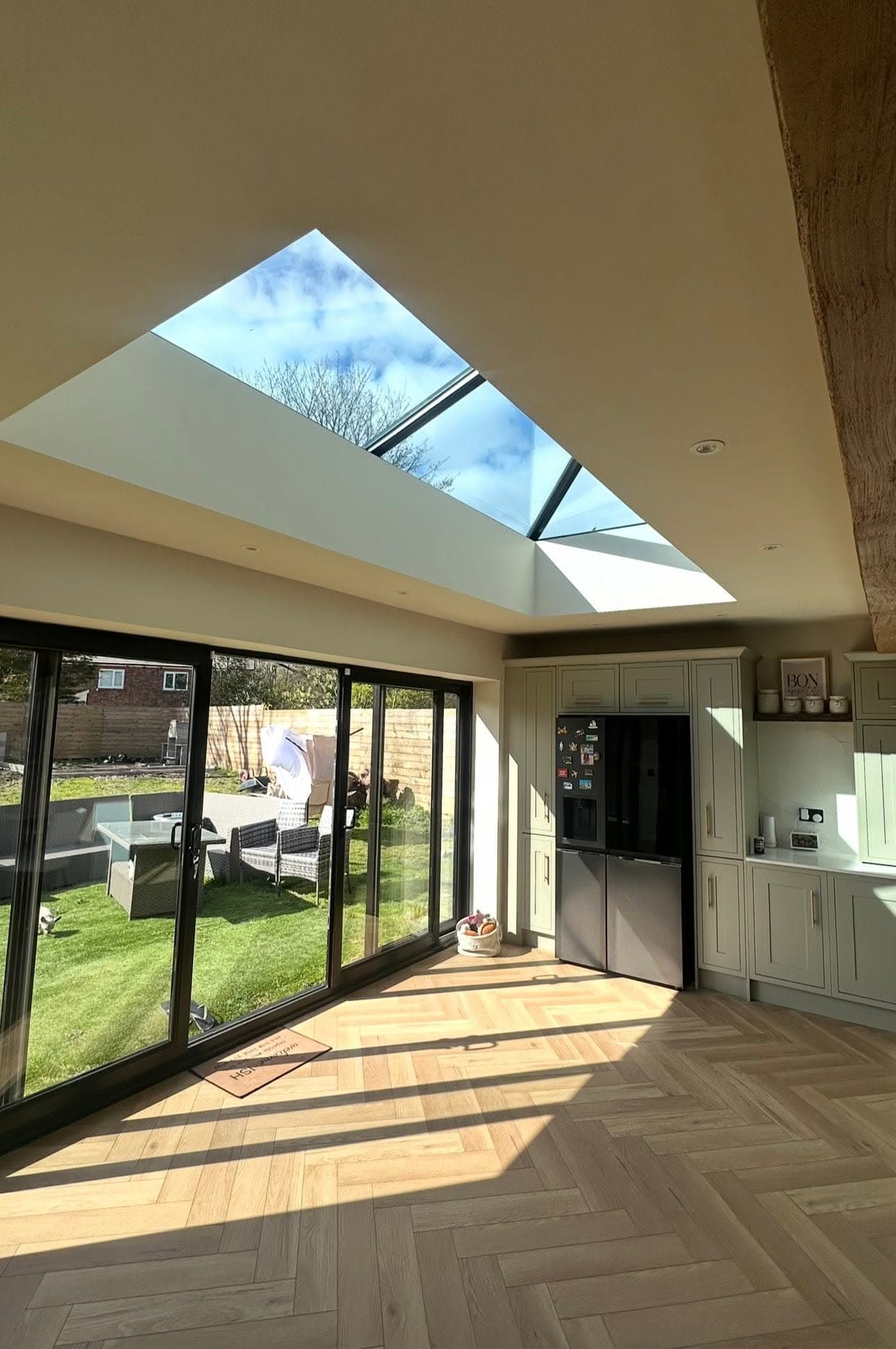
A home extension can provide the additional space you need while allowing you to remain in your existing property. It could create a larger kitchen and dining area, a family room, a home office or an additional bedroom.
Careful planning at the beginning of the project will help ensure the finished extension works well with your home and meets your long-term requirements.
DECIDE WHAT THE EXTENSION NEEDS TO ACHIEVE
Start by identifying the problem you want the extension to solve. You may need more room for a growing family, a better connection to the garden or a dedicated space for working from home.
Think beyond the immediate need and consider how the room might be used in several years. A flexible layout can help the extension remain useful as your circumstances change.
CONSIDER THE AVAILABLE SPACE
The size and position of your property will influence the type of extension that can be built. Rear extensions are often used to enlarge ground-floor living areas, while side extensions can make use of otherwise restricted space.
The proposed structure must also be considered in relation to boundaries, neighbouring properties, access and the amount of garden you want to retain.
PLAN HOW THE ROOMS WILL CONNECT
A successful extension should feel like a natural part of the home. Consider how people will move between the existing rooms and the new space.
Simply adding more floor area will not necessarily improve the property if the layout creates awkward routes or leaves existing rooms without a clear purpose. Doorways, openings and furniture positions should be considered early in the design.
THINK ABOUT NATURAL LIGHT
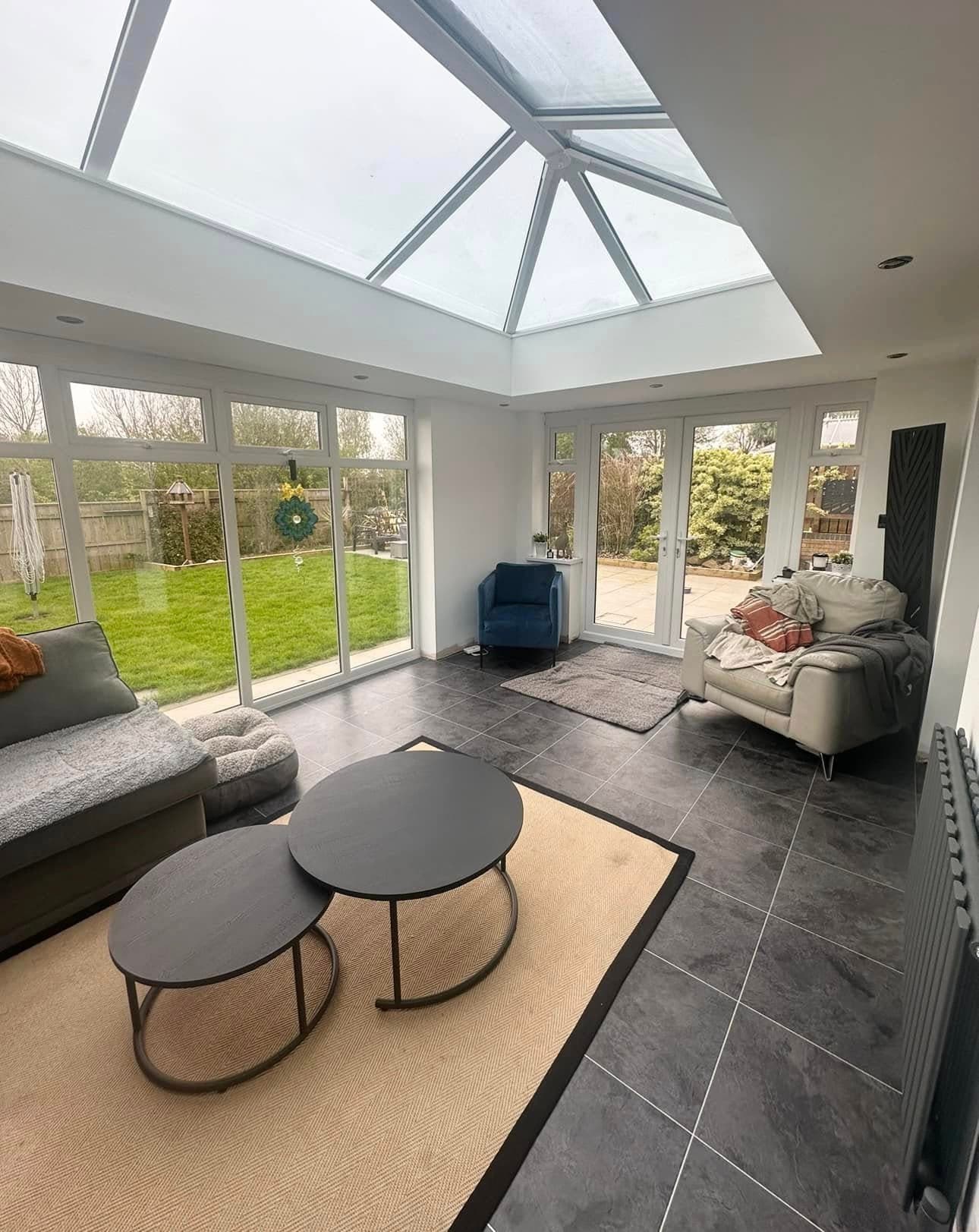
Adding an extension can affect the amount of daylight reaching the existing rooms. The position and size of windows, glazed doors, rooflights or a roof lantern can help maintain a bright interior.
The direction the property faces will also influence the amount and timing of sunlight entering the new space. Glazing, ventilation and shading should be planned together to create a comfortable environment.
CHOOSE MATERIALS THAT SUIT THE PROPERTY
The extension can be designed to match the existing building or create a deliberate contrast. Brickwork, roofing, windows and doors should be selected with the overall appearance of the property in mind.
Interior materials are equally important. Flooring, wall finishes, lighting and joinery can help connect the extension with the original rooms.
CHECK PLANNING AND BUILDING REQUIREMENTS
Some home extensions may be allowed under permitted development rights, while others require planning permission. The rules can be affected by the size and position of the extension, the type of property and its location.
Building Regulations approval may also be needed to cover matters such as structural safety, insulation, ventilation, drainage and fire protection. Any necessary requirements should be established before construction begins.
SET A REALISTIC BUDGET
Your budget should account for the complete project rather than only the main structure. Depending on the design, the work may include foundations, roofing, drainage, heating, electrics, plastering, flooring and decorating.
Request a clear, itemised quotation so you can see what has been included. It is also sensible to retain a contingency for changes or unexpected conditions uncovered during the work.
PREPARE FOR THE CONSTRUCTION WORK
Even a carefully managed extension will cause some disruption. Ask how access, deliveries and waste will be handled and whether any parts of the home will be temporarily unavailable.
A clear project schedule and regular communication will help you understand what is happening at each stage.
CHOOSE THE RIGHT CONTRACTOR
Look for a company that can explain the process clearly, provide a written quotation and manage the different stages of the build. Establish who your main point of contact will be and how progress updates will be provided.
Other Articles